I haven’t been traveling much recently (renovating the house and teaching Taiji instead) but this week I am on a trip to the Isle of Iona with a group from my local church and I am learning some fascinating things so I thought it merited a blog!
Iona is renowned as a place where the veil between heaven and earth is ‘thin’. Iona is wild, rugged and remote being situated among rhe western isles of Scotland. With a population of only 120, there are few roads and even fewer motorized vehicles. As such it is a place where many come to find peace, tranquility and even have very spiritual experiences.

Born into a noble Irish family, St Columba arrived here from Ireland in 563 with 12 monks (to replicate the number of disciples recruited by Jesus). Columba was a gifted illuminated manuscript writer. He, along with his monks founded a monastery here which flourished and legend has it that Columba performed many miracles here.
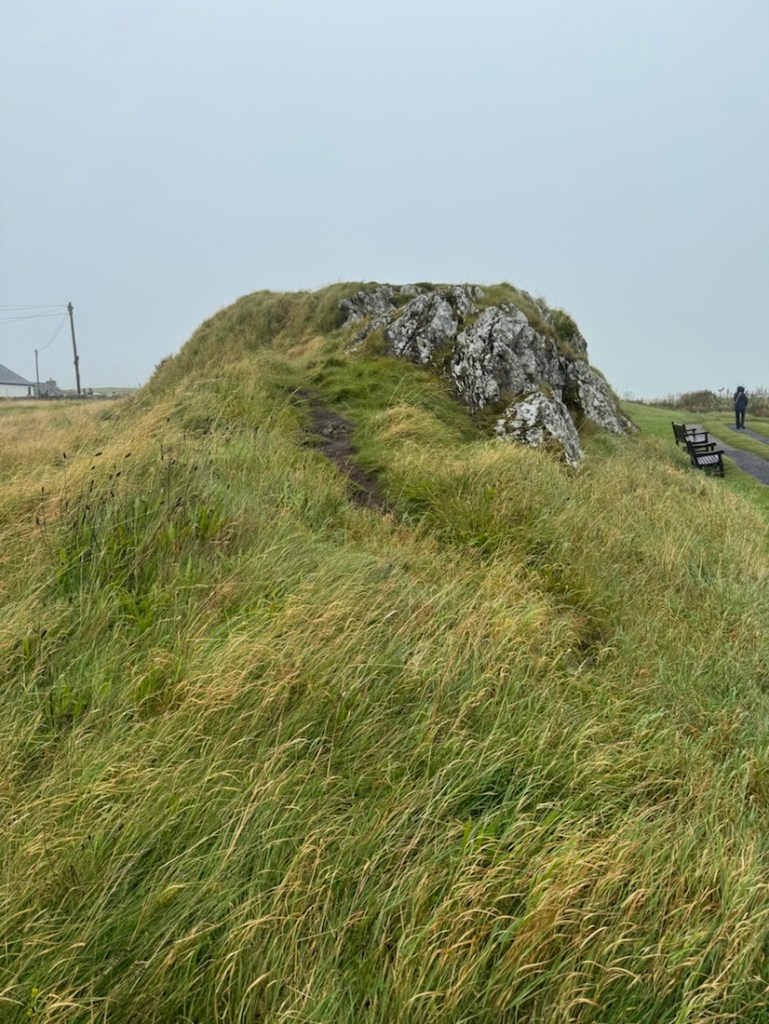
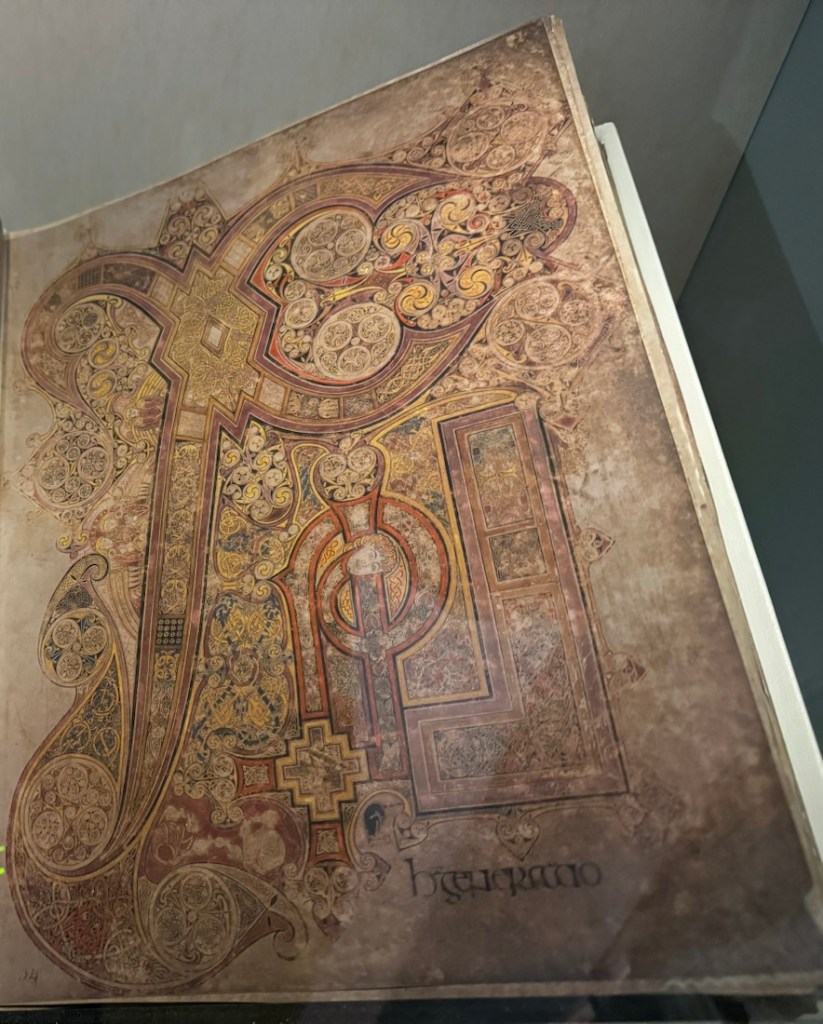
Apparently Columba worked on a Bible which was so beautifully illustrated that it was deemed to be a precious masterpiece and only read from the altar. Vikings would regularly raid this coast of Scotland so in an effort to preserve this magnificent document it was secreted away to the safety of Ireland where is finally rested in Kells. It is now more commonly known as The Book of Kells but it is recognized as originating on Iona.
The name Columba itself translates as ‘Dove of the Church’. Doves are symbolic in Christianity as bringers of peace and hope. Doves are therefore found carved throughout the building.

The monastery founded by Columba is known for its vitality, creativity and innovation.
Over the ensuing centuries the island became a popular place for pilgrims. Many lowly folk hoping for a miracle from the saint journeyed here. Many tall crosses marked out places of prayer along their route.
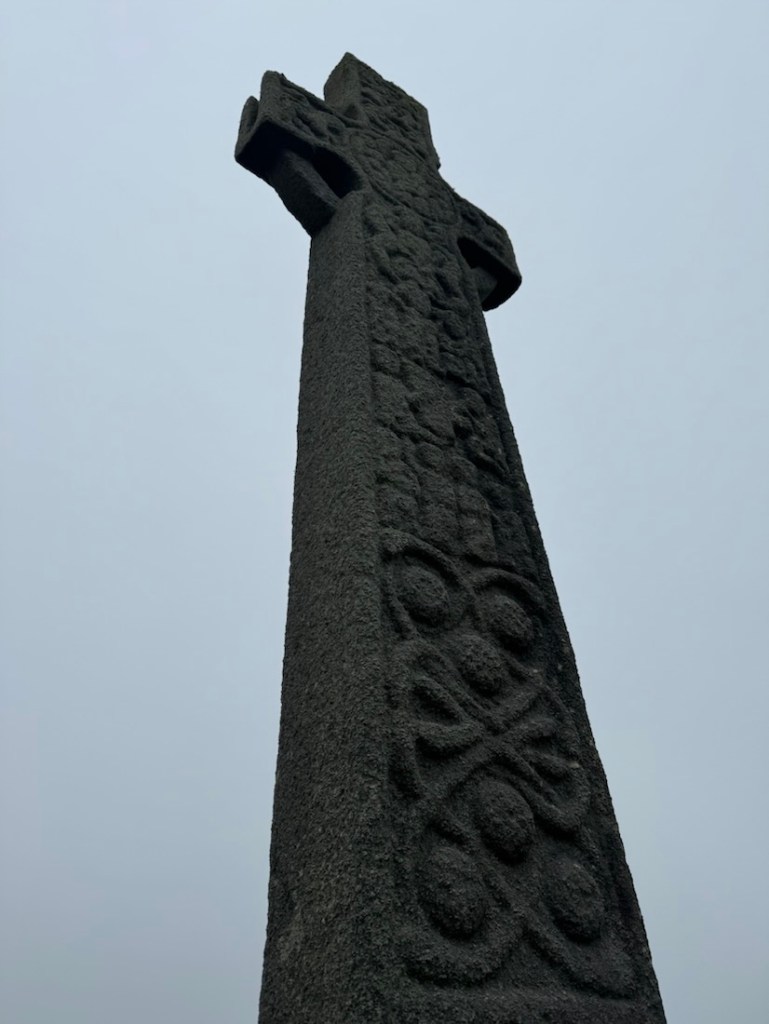

The crosses themselves have the iconic circle which marked them as Celtic crosses found throughout this whole region. This design also originated on Iona where the addition of the circle was introduced to strengthen support for the cross beam in such a tall stone structure. Some collapsed as the builders didn’t quite get the proportions right but many remain standing as testament to their significant past.
Viking invaders sacked the monastery and even slaughtered the monks. One such invasion in 850 saw the abbot and 12 monks try to welcome the boats on the beach where they were all brutally murdered.
Over time the Vikings ceased their pillage and began to settle. They recognized the tomb of Columba as a holy place and 8 Norwegian Kings are buried here a fact which I found fascinating considering the journey that would have entailed in those days.
The average pilgrim though was not always allowed into the church itself. Only clergy could do that. So instead they prayed outside the building and used these prayer stones
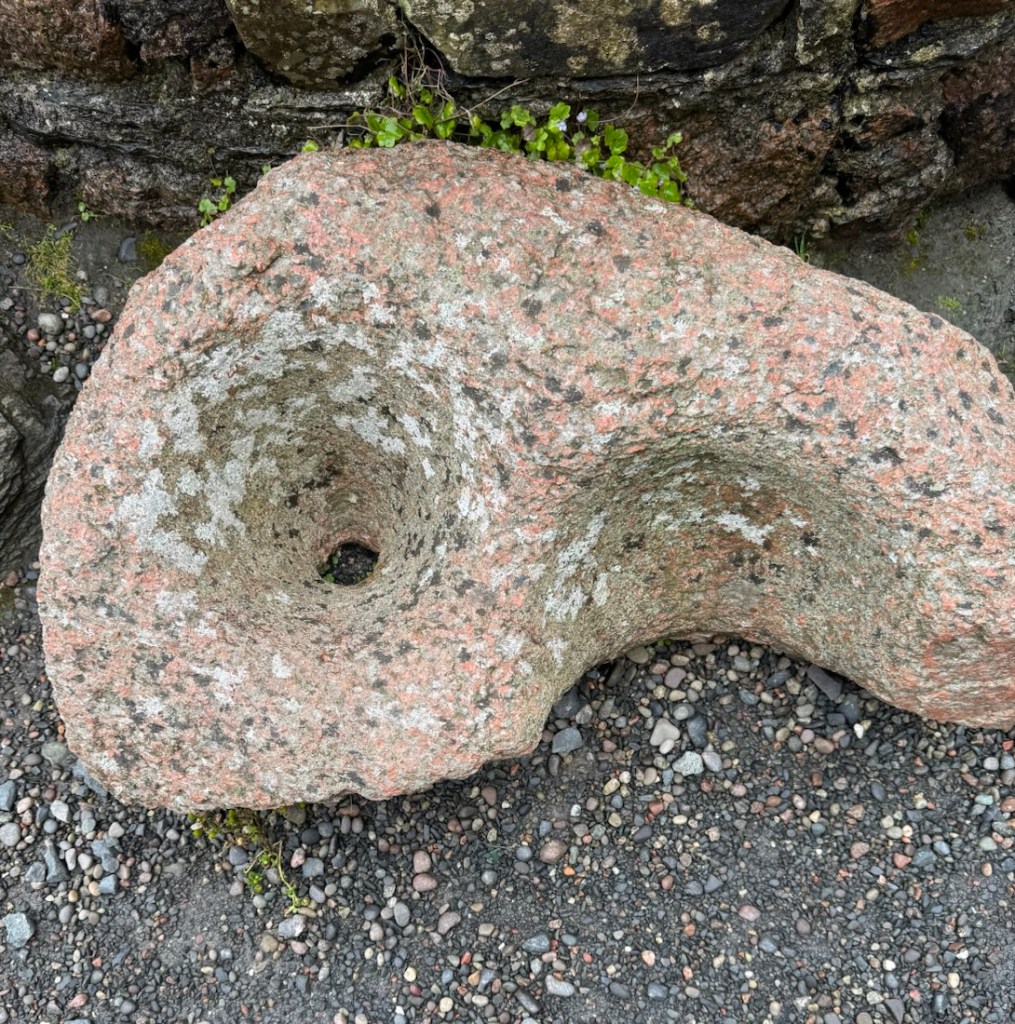
Inside the hollow would have been a ball of while marble. As they each made a prayer request they would rotate the marble ball. Legend has it that when the stones were completely worn away the end of the world would come. Considering how worn they are it’s a good job they stopped doing that!!
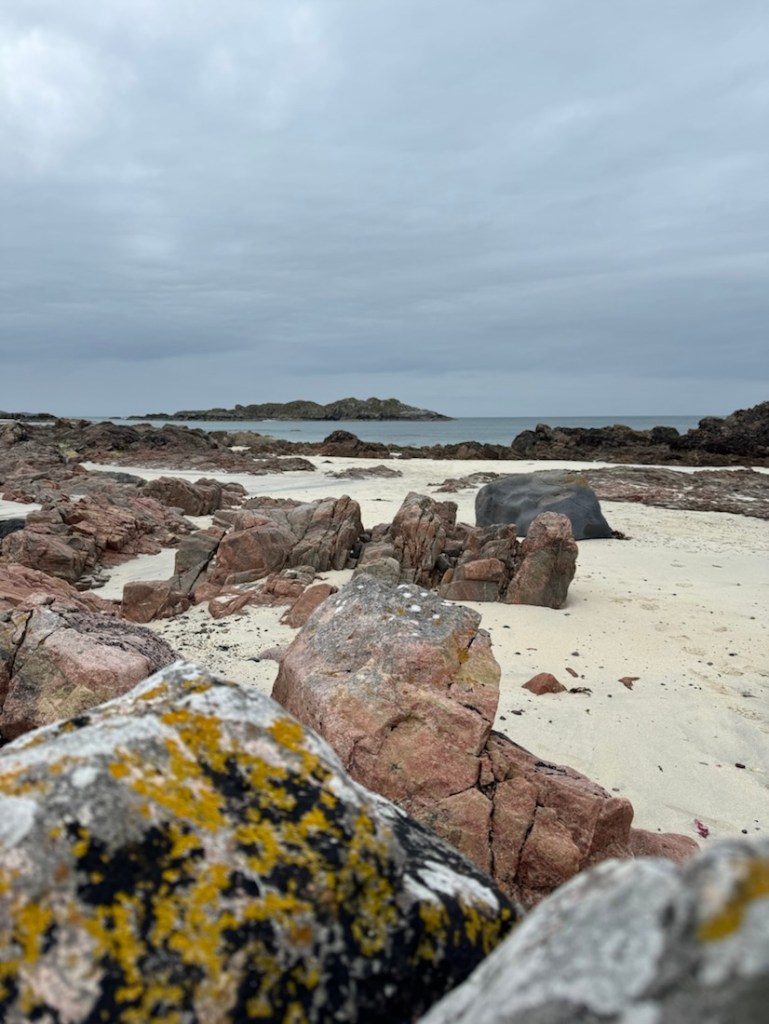
The beautiful pink specked rocks found abundantly on the island stem from once active volcanoes in the region. it must have been quite a melting pot here.
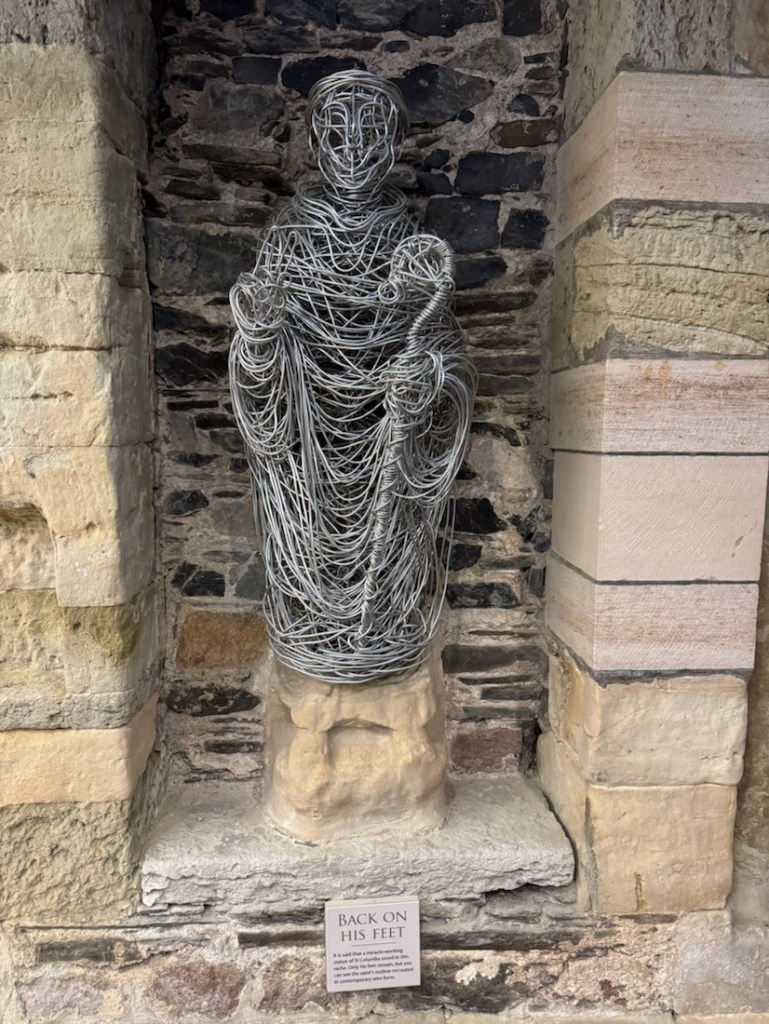
The base of this statue which shows just Columba’s feet was said to have been miraculous and many people who touched it were cured of their ills. It was nice to see the blend of ancient and modern together here.
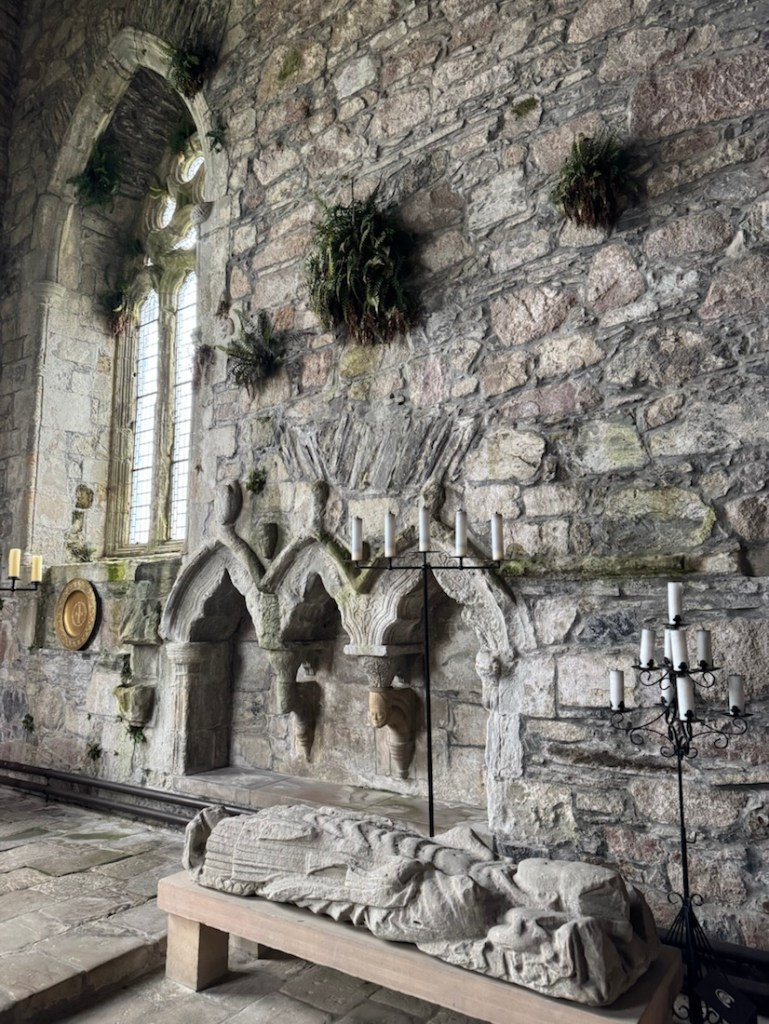
Perhaps the most fascinating thing for me was the fact that the walls of the sanctuary had live ferns growing in them. It is though that when the abbey fell into disrepair and the roof fell in, the seeds lodged into the cracks. The church was restored in the 1910 and has been renovated so well it is now environmentally friendly and ‘breathing’ so the plants still thrive. This is the only religious building where I have seen that happen.
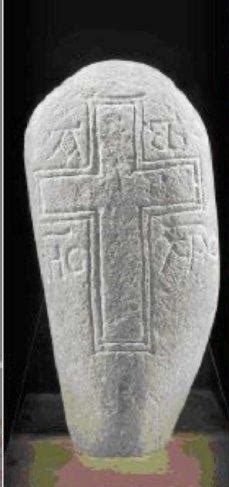
Another practice which began here was that of marking religious boundaries and graves with inscribed stones. Before this wood was used and all those markers are now lost to time. These first inscriptions remain.
Finally, a nunnery was added and many prominent women served here. This section of a grave stone is for Anna, an abbess and you can see the detail of the mirror and comb held by the angel which symbolizes wisdom and femininity.
Today the Iona Community is an ecumenical group dedicated to preserving the integrity of the place and honoring Columba’s commitment to justice, peace and diversity.
A very interesting and educational visit to this historic island.
 Turning Life's Pages