We drove from Xiamen to Yunshuiyao in the Fujian Province (approx 2 hours through fairly empty but very well maintained roads) to visit the TuLou or community of round houses. Tu means ‘earth’ and Lou is ‘building’. This area is famous for the round village buildings.
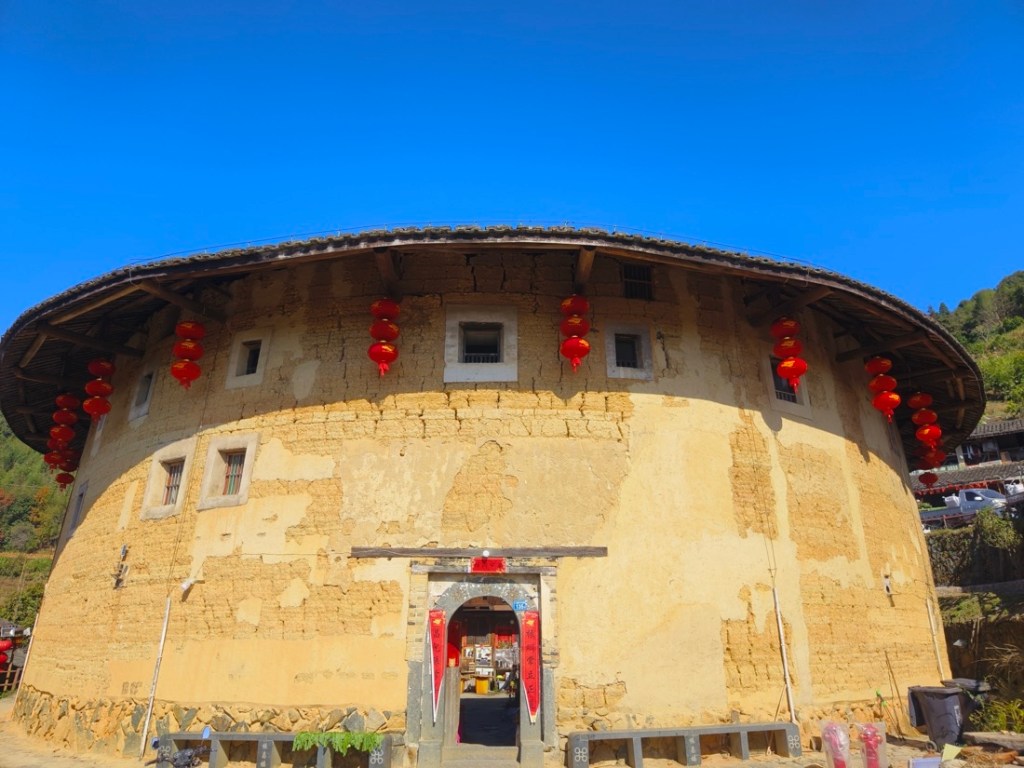
Originally a quite remote rural community these small villages became popular destinations for Chinese visitors after their use in a 2005 Chinese film called Yun Shui Yao (it’s just a name & I don’t know what it means). Then in 2020 one of the round houses was the setting for part of Disney’s live action Mulan film. In this the young Mulan chases a chicken over the circular rooftops. Since then ToLou has seen a steep increase in foreign tourists and is now firmly established as a must see destination. As such it has been on my bucket list for quite a while and I definitely wanted to see it before we leave.
These houses were built over 1000 years ago when migrants from Luoyang (which we visited at the beginning of this vacation making quite an uncanny connection for us).
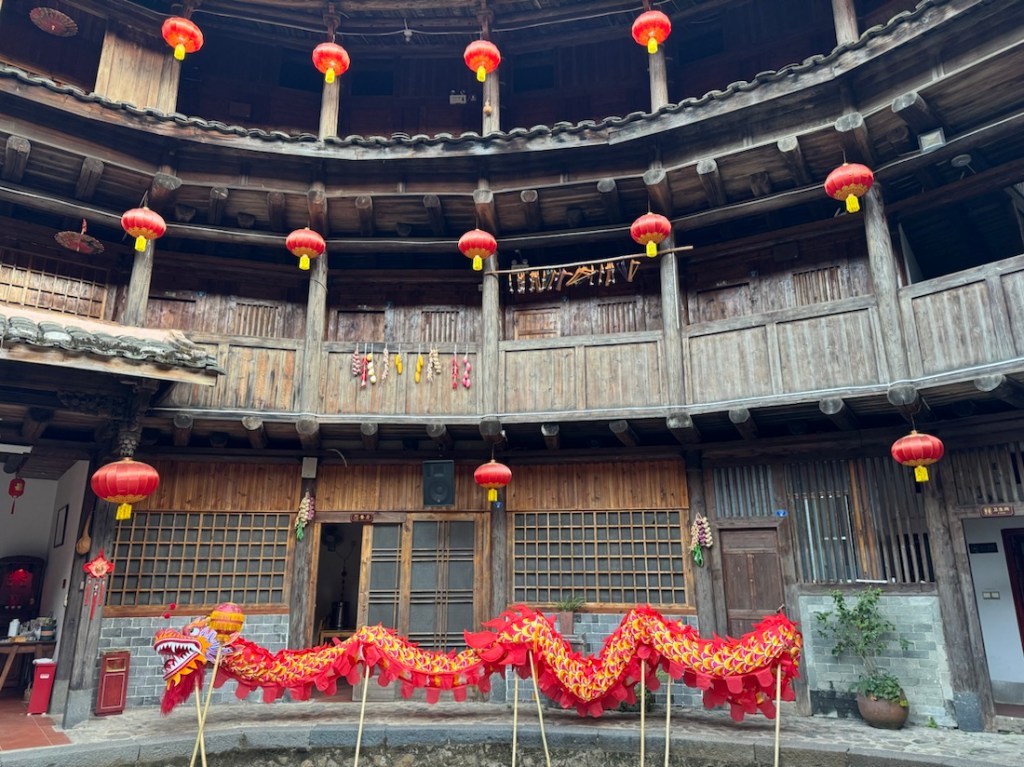
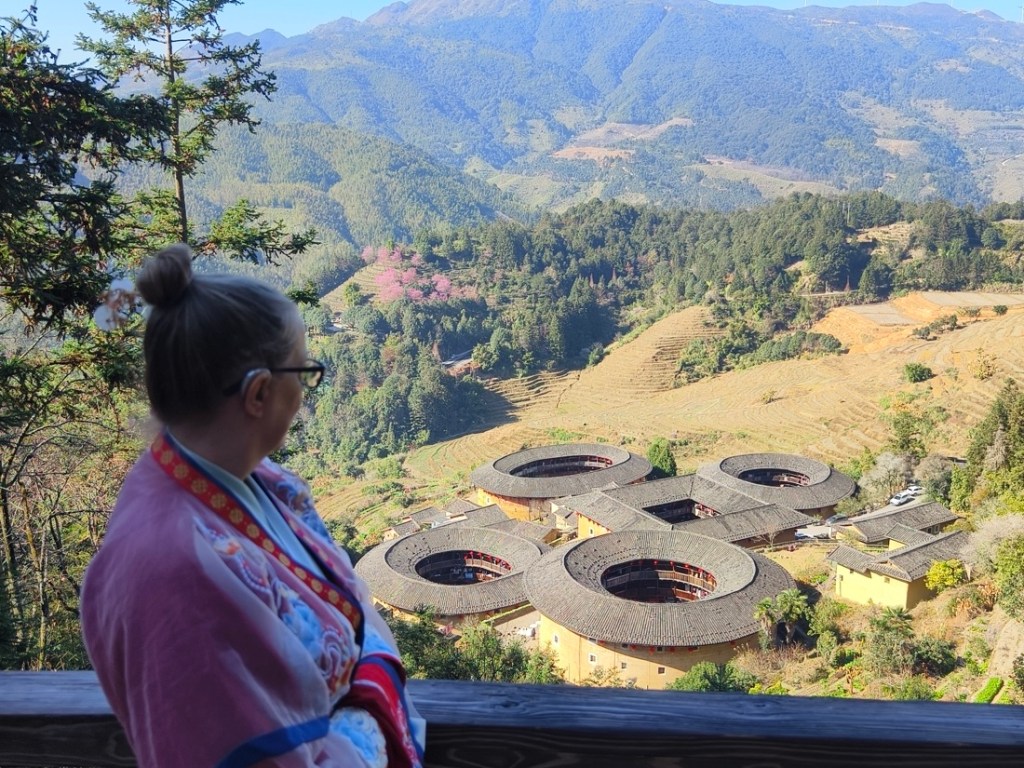
There are many of these clusters of dwellings but this one is quite famous because it is built on the principle of the 5 elements. The ‘earth’ element is the square in the centre and the circular buildings are ‘metal’, ‘water’, ‘wood’ and ‘fire’. Chinese culture runs very deep and pervades many aspects of life which makes it all the more interesting if you understand what you are seeing.
Each round house contains an extended family with small family units occupying a ground floor, first and second floor unit. The kitchen is on the ground floor and the 1st floor is for food storage. Living spaces are on the upper floor so you need good knees.
One of the big houses that we visited has housed 26 generations of the same family which is quite incredible if you think about it.
The founder was this guy, a wealthy government official, who traveled from the Henan Province to settle here in 871 to find more security and better living conditions for his family.

He brought his 3 wives pictured below

These two photos are from the central family shrine which every unit has. The family makes offerings to these ancestors each year to thank them for providing this community. In the wall was a list of his founding tenents about sticking together in peace and harmony as a family to protect each other and to grow strong.
Each circular unit contains approx 120 rooms (all the same size) which can house anything up to 800 people. The males always stay there but the girls leave to go to their new husbands’ family. So each building contains many generations and all have the same family name. Apparently the males all get along very well but the women (who are all from the other villages) are the ones who bicker and squabble. All in all though these are very tight knit family communities who can all trace their lineages back over a thousand years.
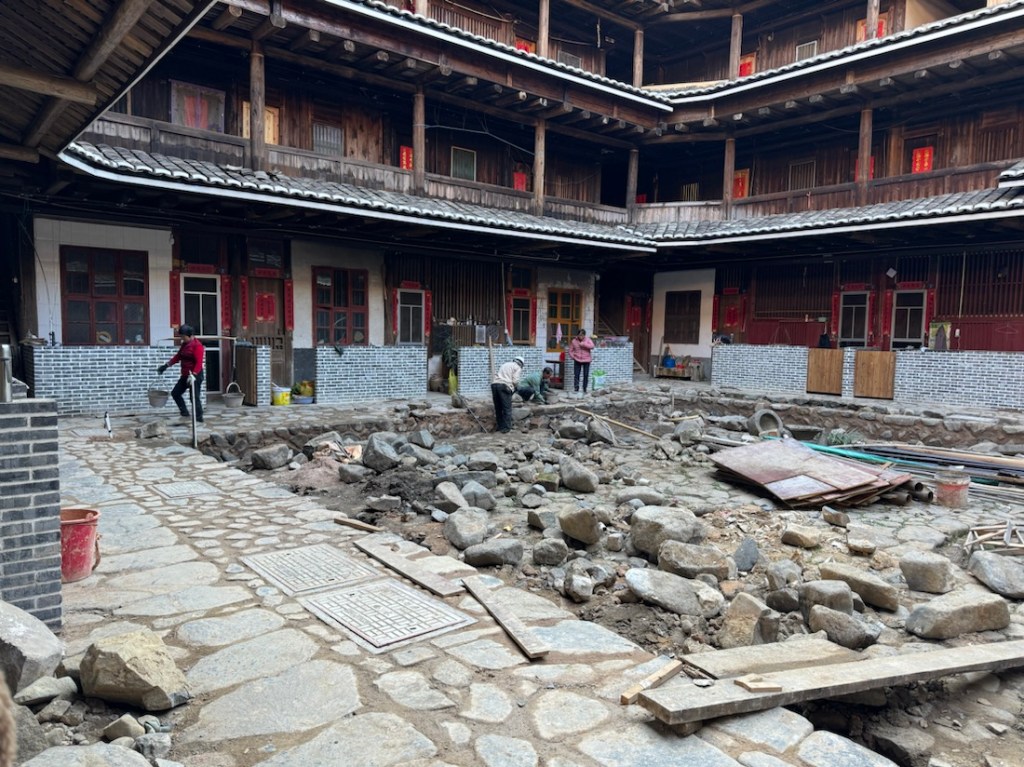
Each tulou is made from a bamboo and stick inner structure which is packed with local clay or mud to make walls of 2 meters depth at the base.
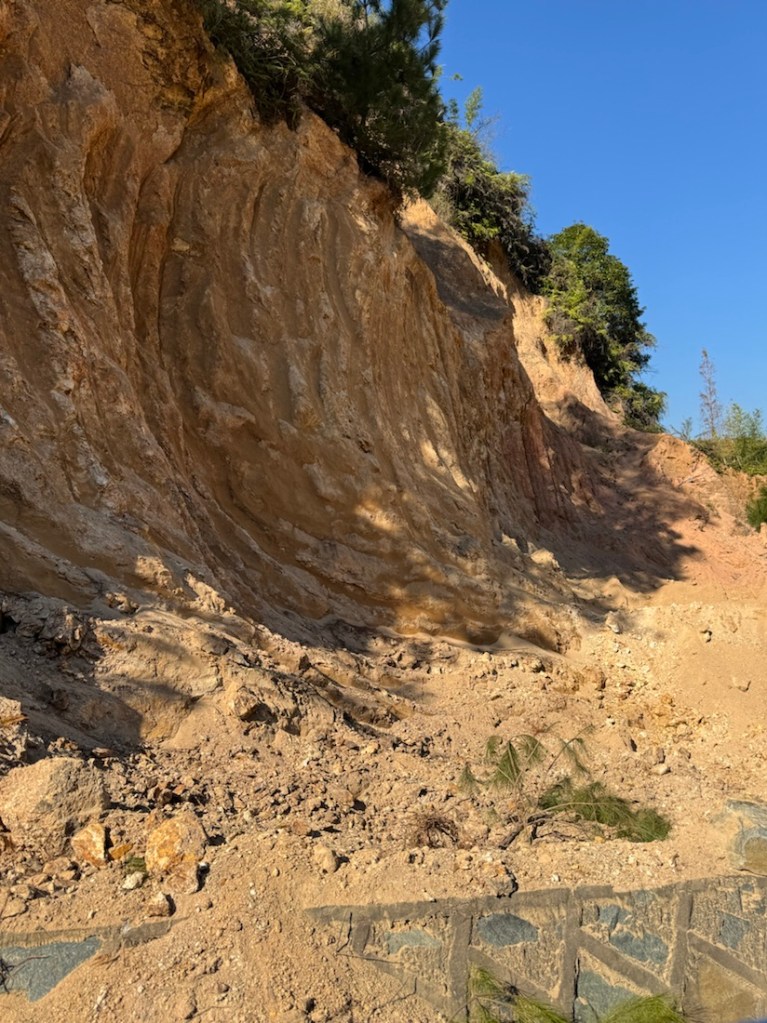
These taper to become 1 meter at the top and this design has proven to be very strong and robust. The small wooden main doors are constructed from a local hard wood and can allegedly withstand battering rams and even cannon blasts. These made strong, self contained family compounds that were safe from marauding bandits and even earthquakes which accounts for their longevity and preservation.
Our guide was very accommodating and even let us see inside one of his rooms.

This man remembers helping his grandfather to build some of this house as a youth. The men would have friendly competitions to see who carried the most stones. The winner each day would qualify for an extra steamed bun!
Then when the cultural revolution happened many members of the family were dispersed and only a few people remained in the buildings. In the time following Chairman Mao’s rule the government began to realize that these communities were a national treasure so they found all the family members and brought them back. Now they are all given 2000 rmb per year to live there. (That’s approx £220), so not great but it all helps.
When this gentleman came back he was given ‘orientation’ classes but it turned out that he knew more about the traditional building techniques than the government teacher!
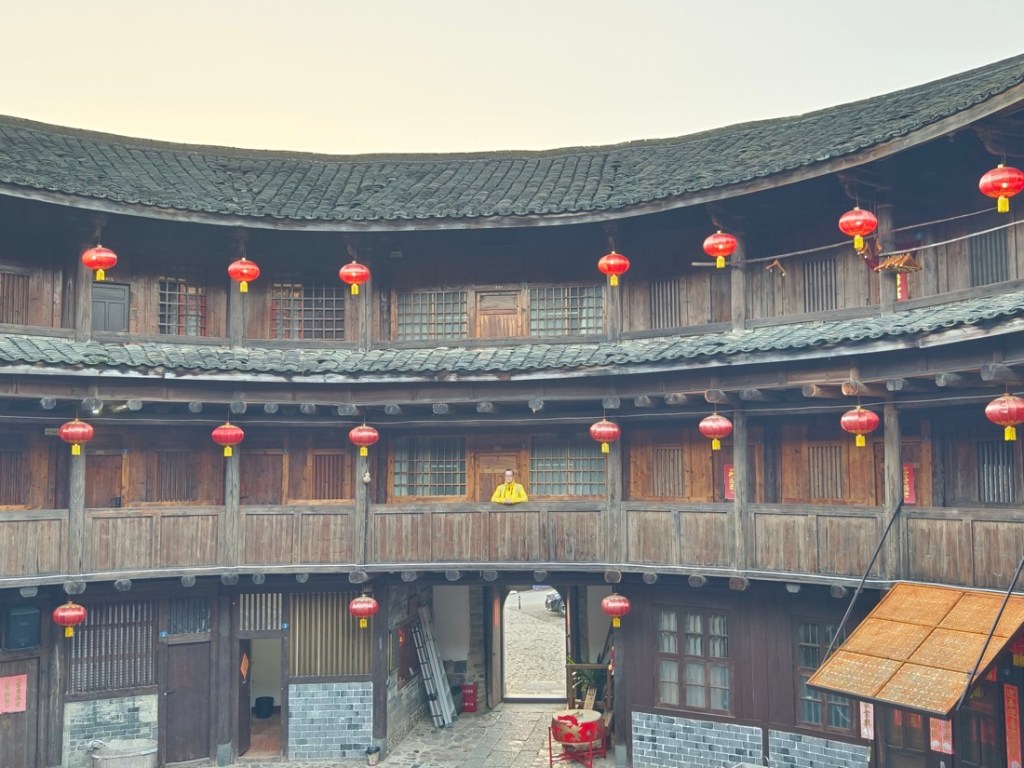

Our guide was so friendly he invited us for lunch.
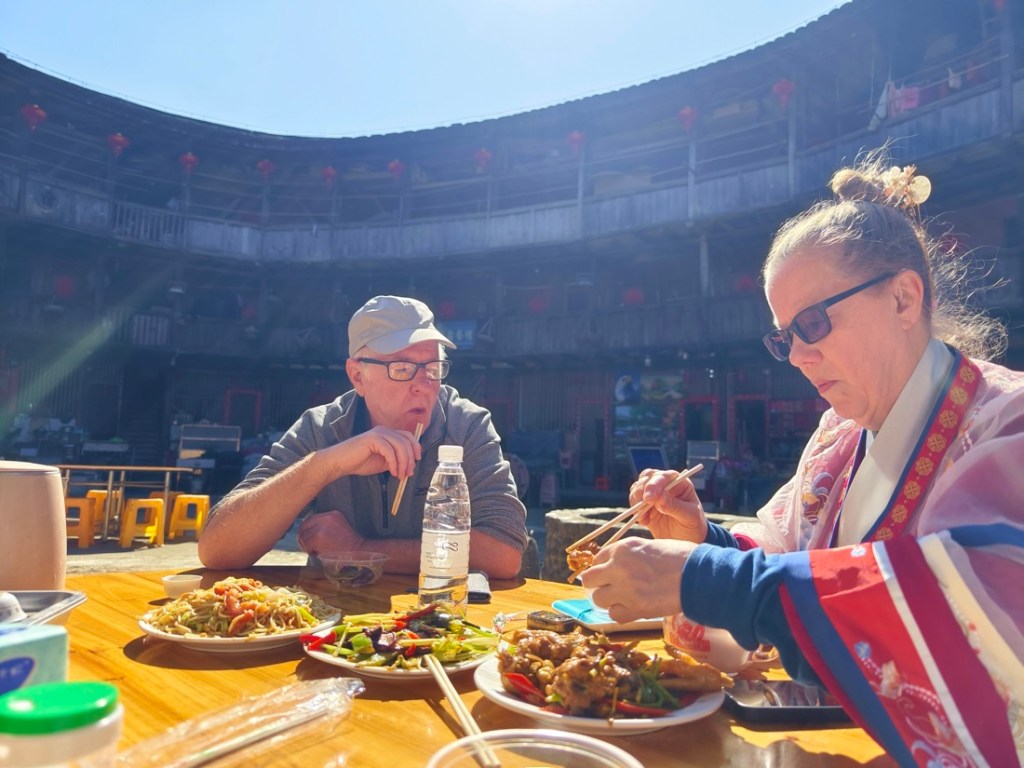
The locals here grow their own tea, vegetables and keep their own livestock so they are pretty self sufficient.

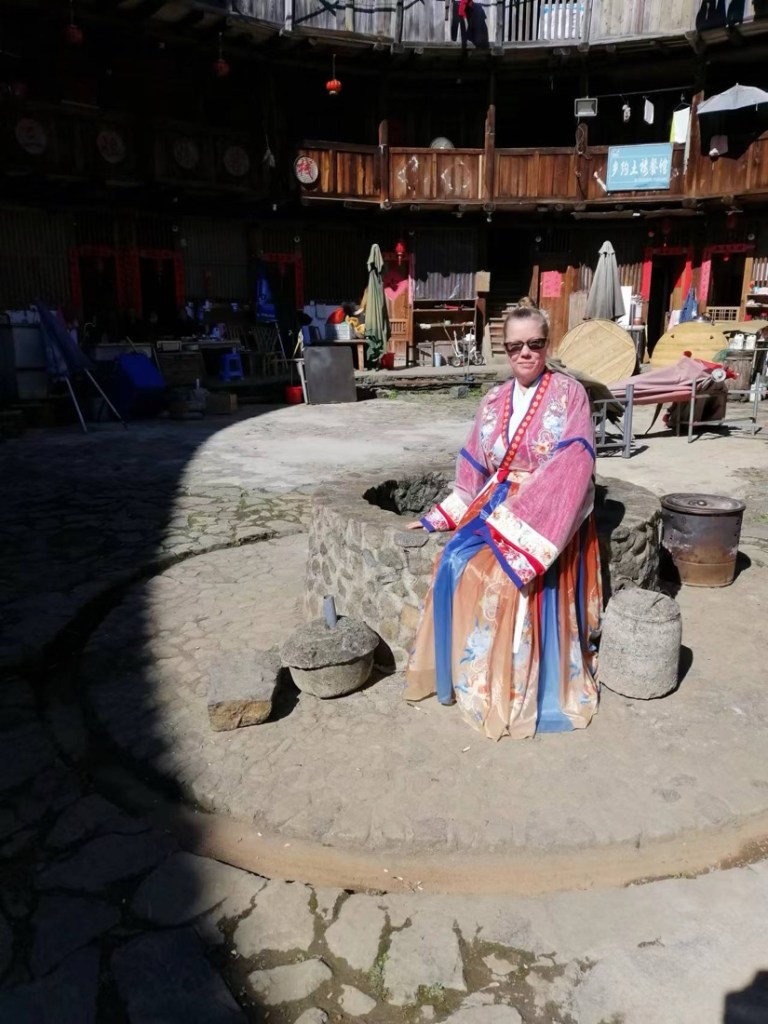
I had to ask! And the answer is that the toilet facilities are minimal. Each bedroom will have a chamber pot but the rest of the time the residents use the public conveniences set up for the tourists. These also contain the community washing areas.
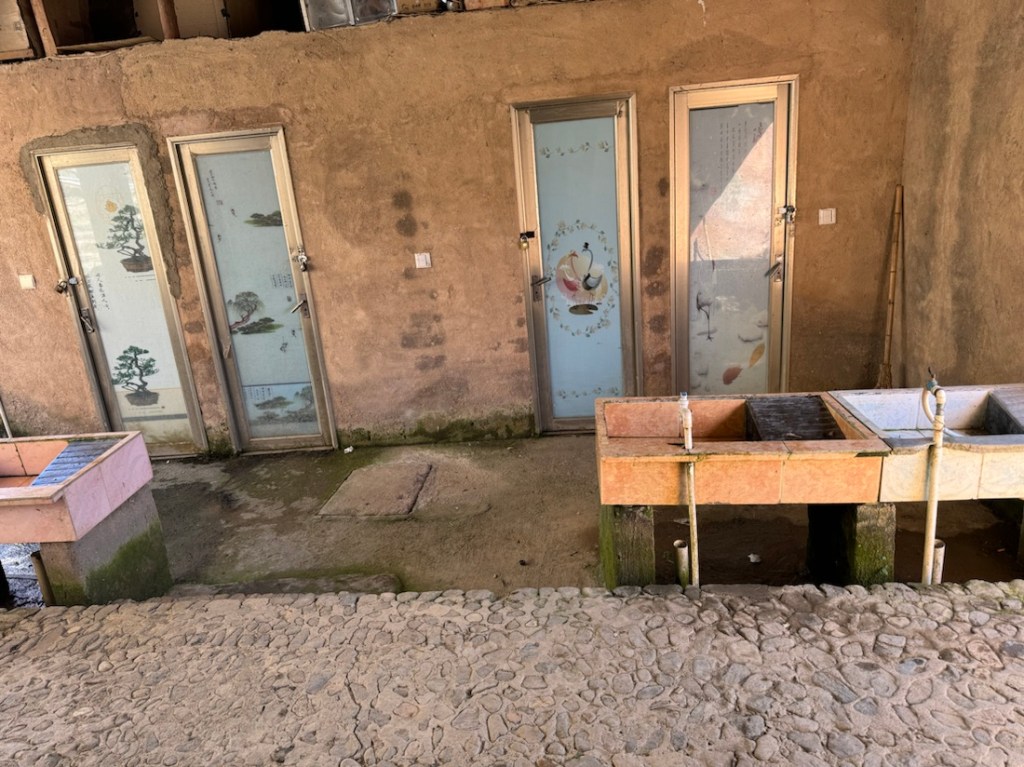
Here I was offered more cigarettes than any other place that I have visited anywhere in the world. It turns out that they even grow their own tobacco and roll their own cigarettes!

This lifestyle must be good though as the community has high levels of longevity with a large percentage of the residents being in their 80s or 90s.
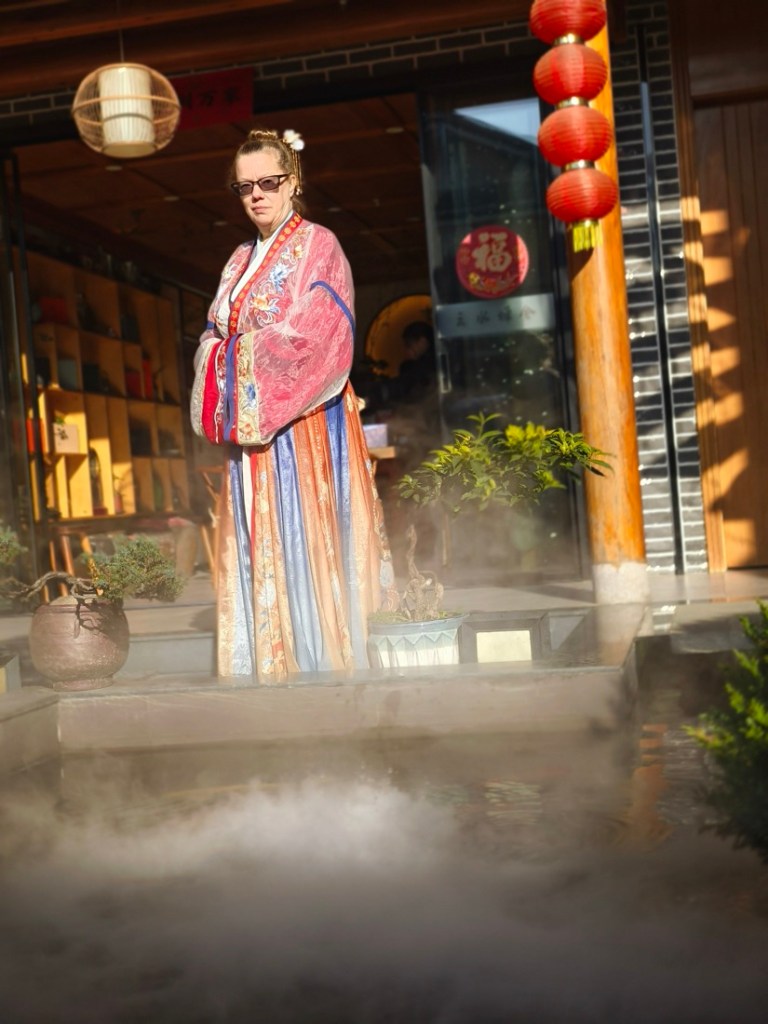
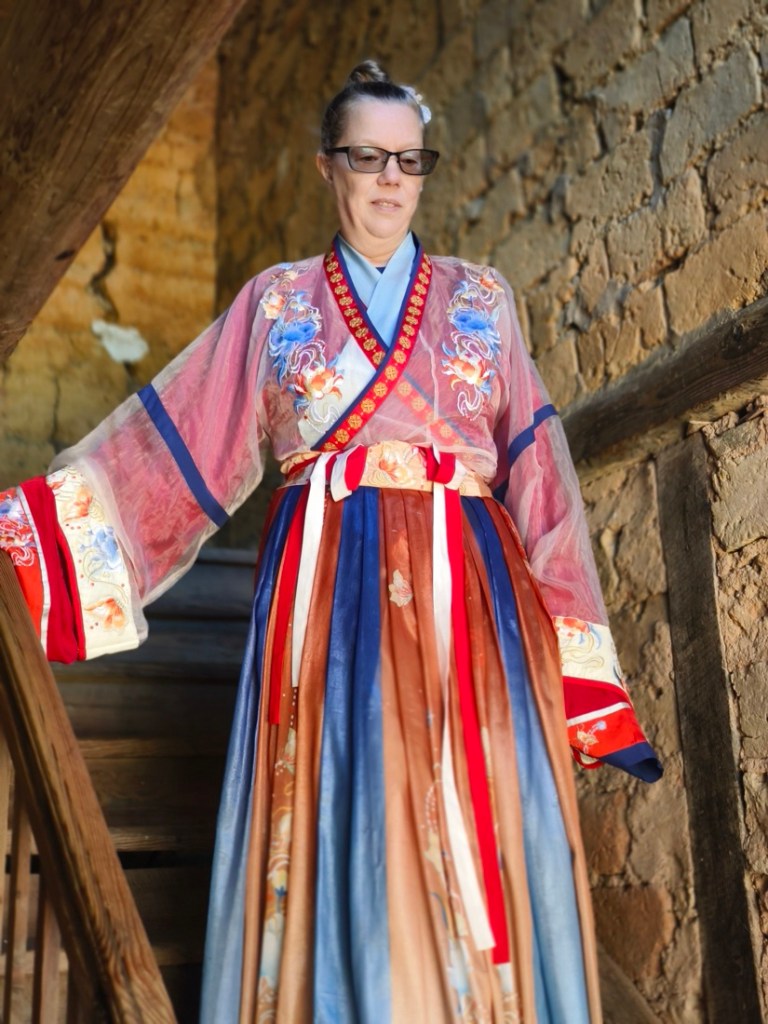
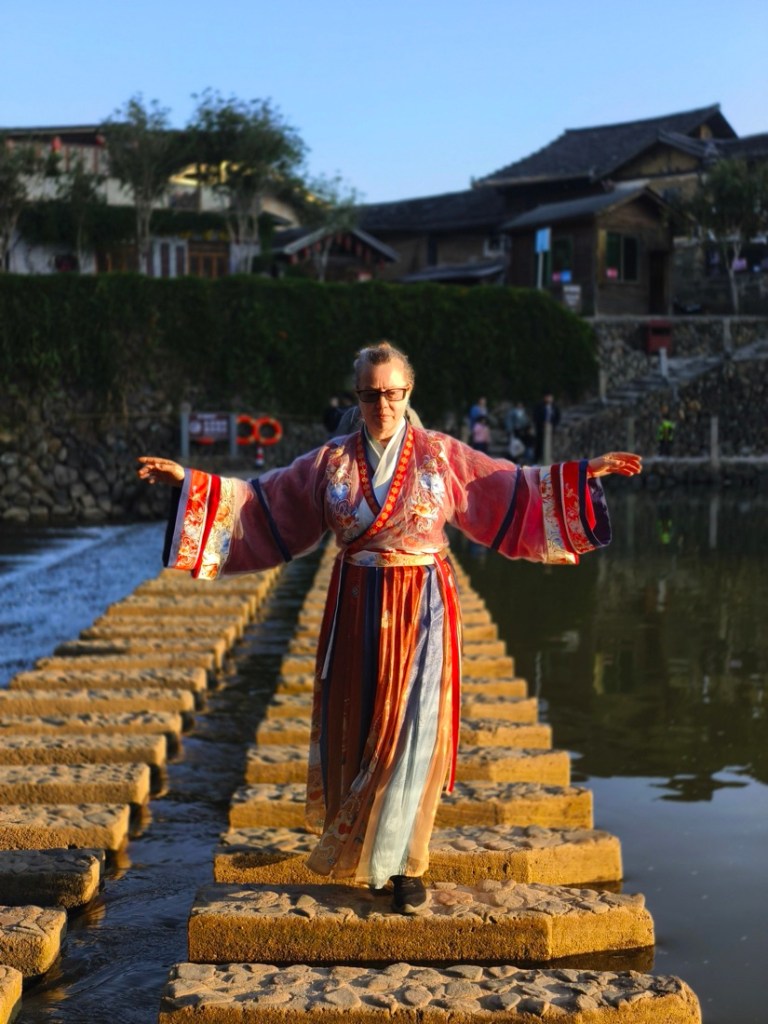
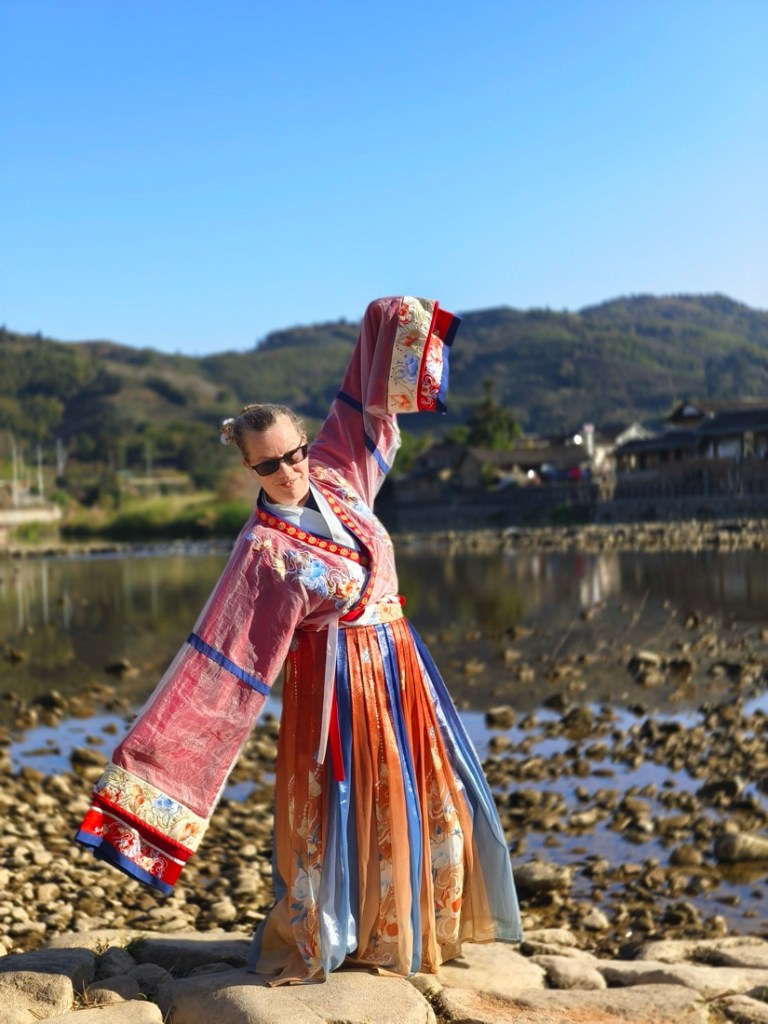
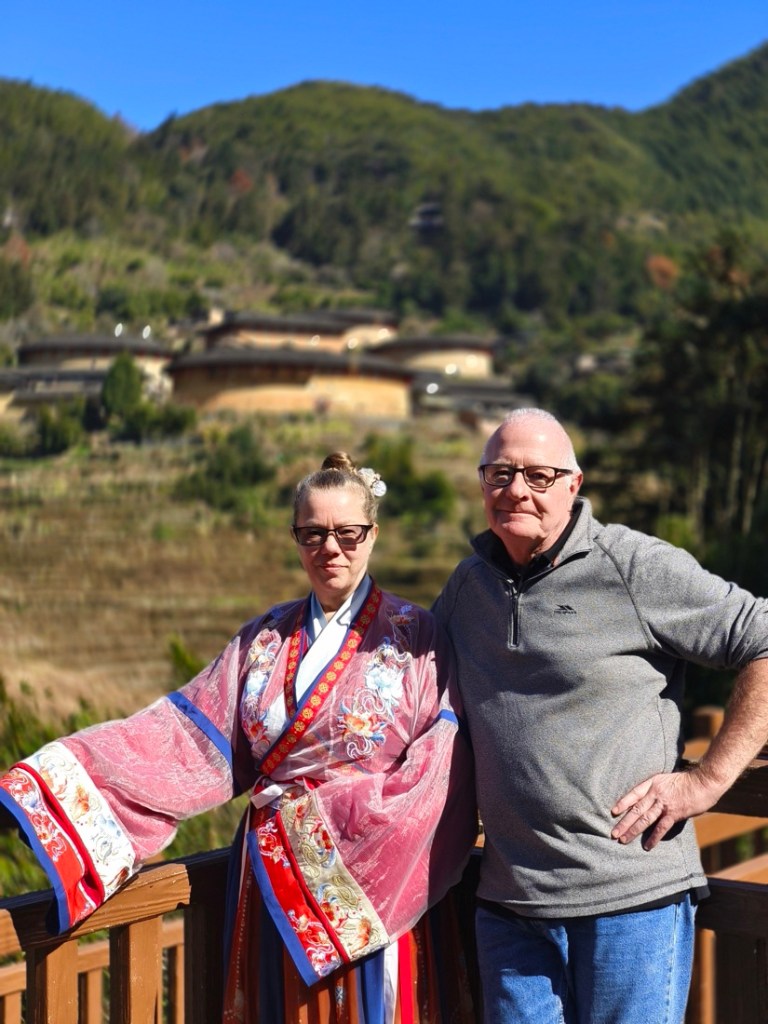
As you have probably spotted I was able to dress up for the day as part of the deal that Leping organized for us with our hotel. This was a Tang Dynasty style outfit 618-907 AD. It was great fun to imagine being one of the original ladies walking the cobbled streets and made for some fantastic photo opportunities at different locations. Shifu is a great photographer and has a great eye for the light and composition. Here are some of my favorites:



 Turning Life's Pages